CUTTLEFISH
Pixels pulled by muscles
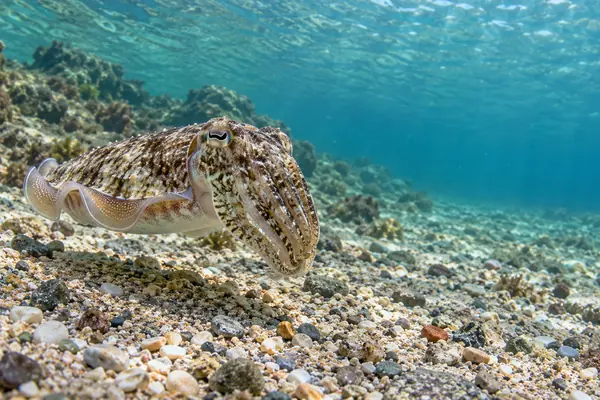
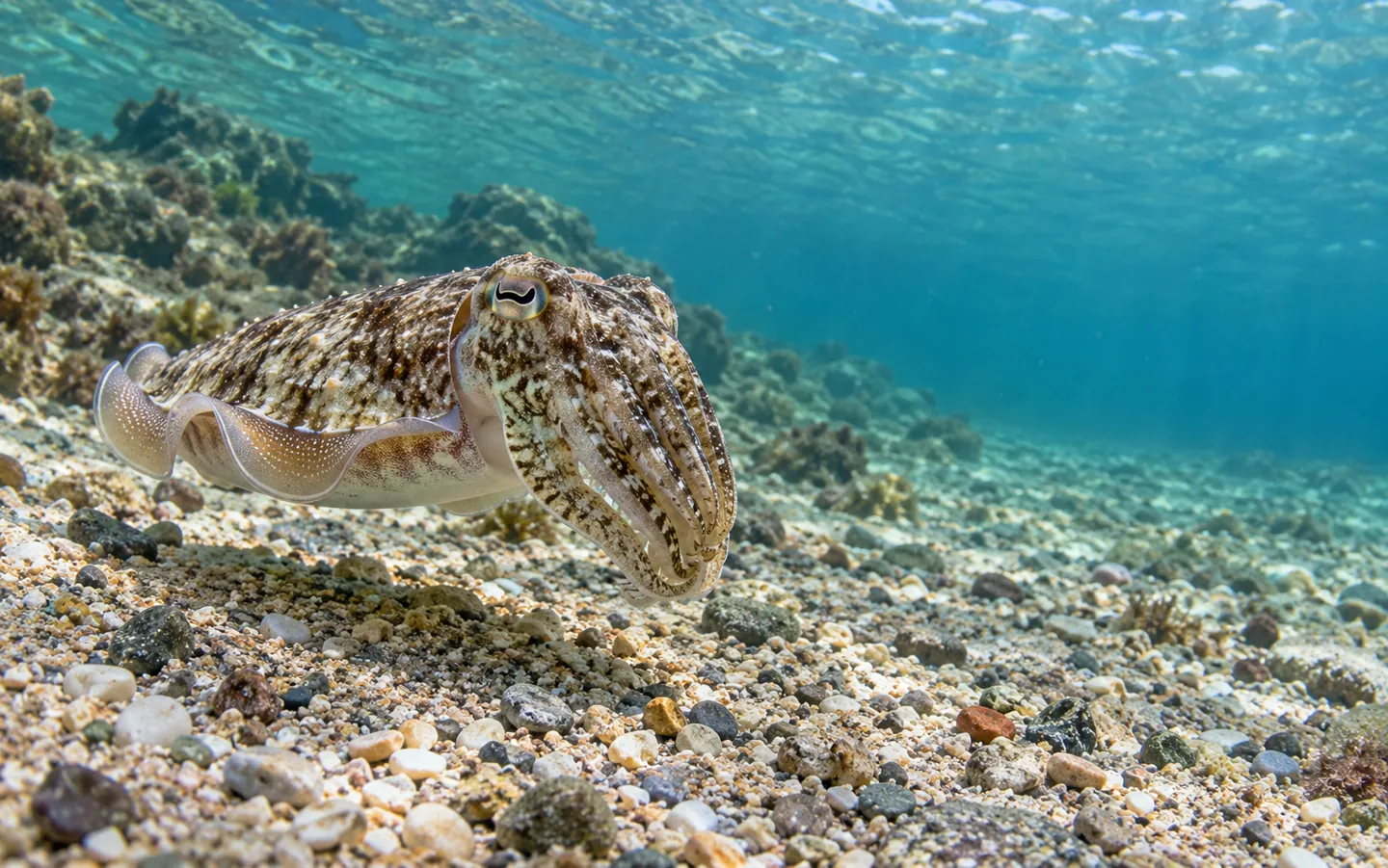
Each pigment cell, or chromatophore, is ringed by muscles wired to the brain. Contracting them expands the coloured spot, so patterns change within a fraction of a second.
Compare the speeds doodlecolorup
00WHAT THE RESEARCH FOUND
Some animals change colour in a blink. Others take a season.
A cuttlefish squeezes pigment cells with tiny muscles, a chameleon rearranges crystals in its skin, and a mountain hare simply grows a new white coat. Each method has its own speed, and its own limits.
Compare the speeds01Principles
02THE SHORT ANSWER
Colour can come from pigment, from structure, or from growing new fur.
Each sets how fast an animal can change.
CUTTLEFISH
Each pigment cell, or chromatophore, is ringed by muscles wired to the brain. Contracting them expands the coloured spot, so patterns change within a fraction of a second.
Compare the speedsCHAMELEONS
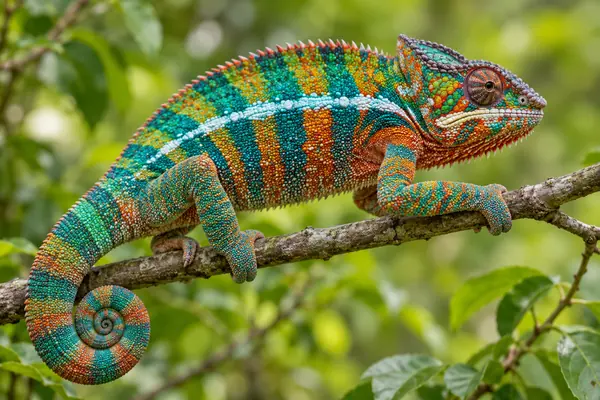
A 2015 study found panther chameleons shift colour by actively tuning a lattice of guanine nanocrystals in their skin, not only by moving pigment.
How it worksMOUNTAIN HARES
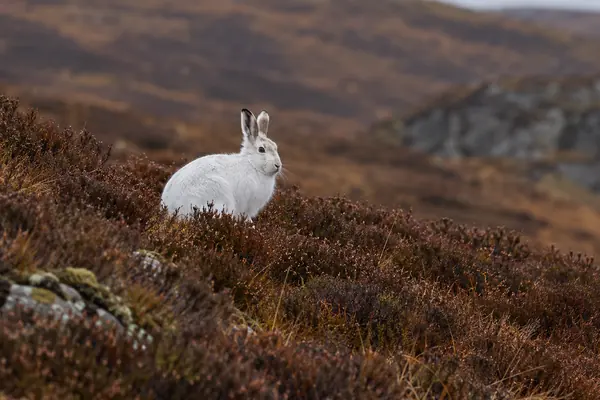
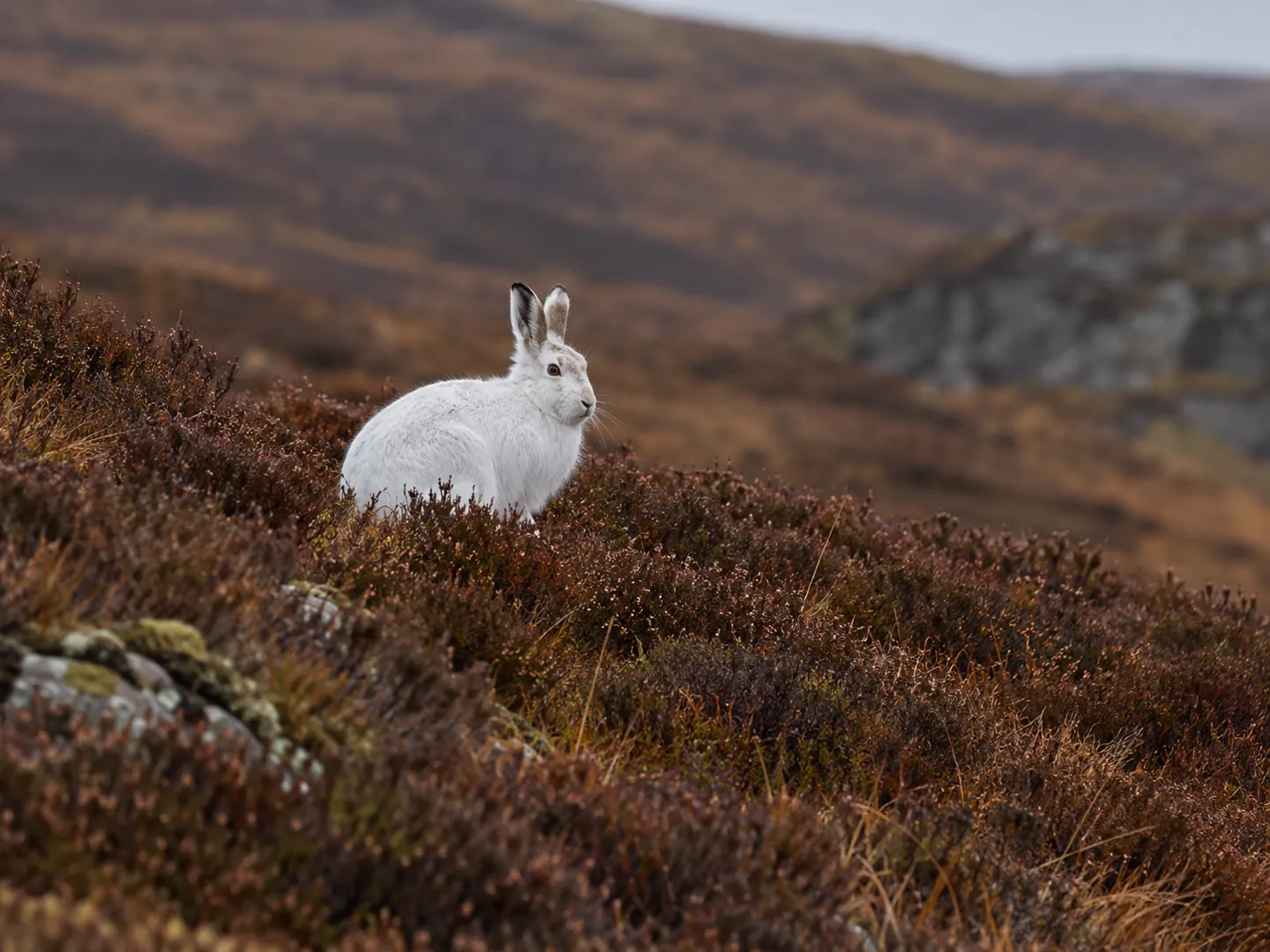
Mountain hares moult from a dark summer coat to a white winter coat. That timing has not kept pace with Scotland's shorter snow seasons.
See the numbers03HOW FAST?
Pick an animal to see how it changes colour and how quickly. The bar shows the speed of the change.
Speeds are as the researchers describe them; they vary with the animal and the situation.
04TWO NUMBERS WORTH KNOWING
One figure on the cuttlefish's skin,
one on the hare's mistimed coat.
10,000s
Chromatophores in a young cuttlefish
A young cuttlefish has tens of thousands of chromatophores. Researchers tracked tens of thousands of them at once, over hours, to read how the brain controls the skin.
CUTTLEFISH SKIN · MAX PLANCK
35 days
Extra days of camouflage mismatch a year
Repeating 1950s field studies in the Scottish Highlands, researchers found 35 more days of white hares on snowless ground between 1950 and 2016, as moult timing barely changed.
MOUNTAIN HARES · SCOTLAND
The hare researchers suggest one reason the moult has not shifted may be fewer predators in parts of the study area, so being mismatched may currently cost the hares less.
05FOUR THINGS TO LOOK FOR
You do not need a lab. Aquariums, nature films and Scottish hillsides all show these changes, if you know what to watch for.
On a cuttlefish, look for patterns rippling across the body as the coloured spots open and close.
The 2015 study describes the most complex, rapid changes during male contests and courtship.
In the Scottish Highlands, a white hare on bare, snowless heather is the mismatch the study measured.
A cuttlefish moves pigment; a chameleon's colour comes from crystals that reflect light; a hare grows new fur. Which one is at work?
06TWO LAYERS OF CRYSTALS
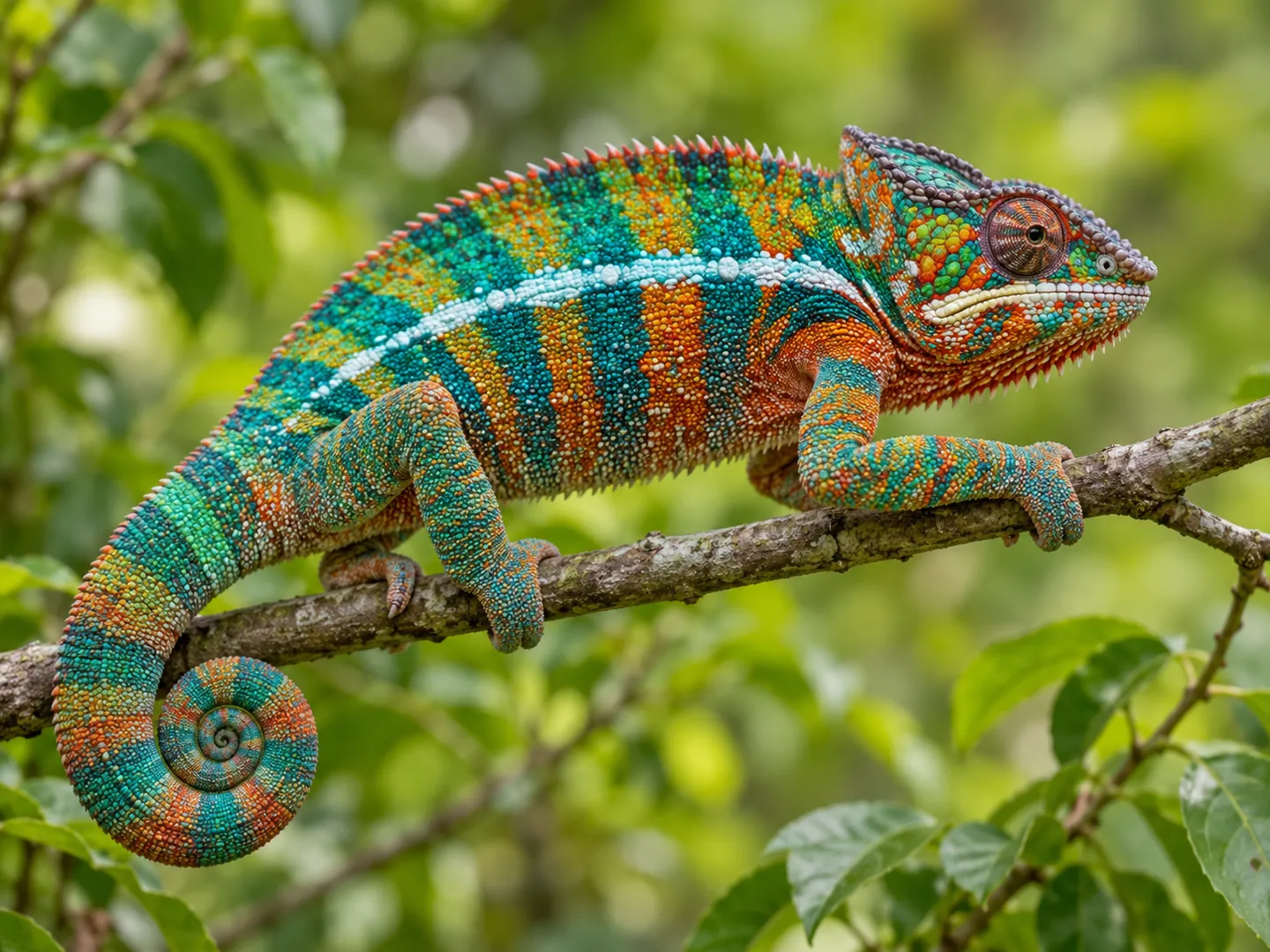
The 2015 study found two layers of iridophore cells. The upper layer holds a lattice of guanine nanocrystals that the chameleon actively tunes to shift its colour.
A deeper layer with larger crystals reflects a substantial share of sunlight, especially near-infrared. The researchers suggest this lets some species combine camouflage with display, and may give passive protection from heat.
07Questions
Not only. The 2015 study describes complex, rapid colour changes in panther chameleons during social interactions such as male contests and courtship, with the skin combining camouflage and display.
By actively tuning a lattice of guanine nanocrystals in a layer of skin cells called iridophores, which changes which colours of light are reflected, according to research published in Nature Communications in 2015.
Its pigment cells are surrounded by muscles controlled by motor neurons from the brain. Contracting the muscles expands each coloured spot, letting the skin change within a fraction of a second.
They moult from a dark summer coat to a white winter coat to stay camouflaged against snow. In Scotland, that timing has not shifted to match shorter snow seasons.
Mismatched snowshoe hares in Montana suffered much higher predation, researchers report. In Scotland the cost may currently be lower, possibly because there are fewer predators.
08Sources
ABOUT THIS NAME
doodlecolorup.com is part of the DoodleSale portfolio. It isn't in an auction right now, but you can ask about leasing it.